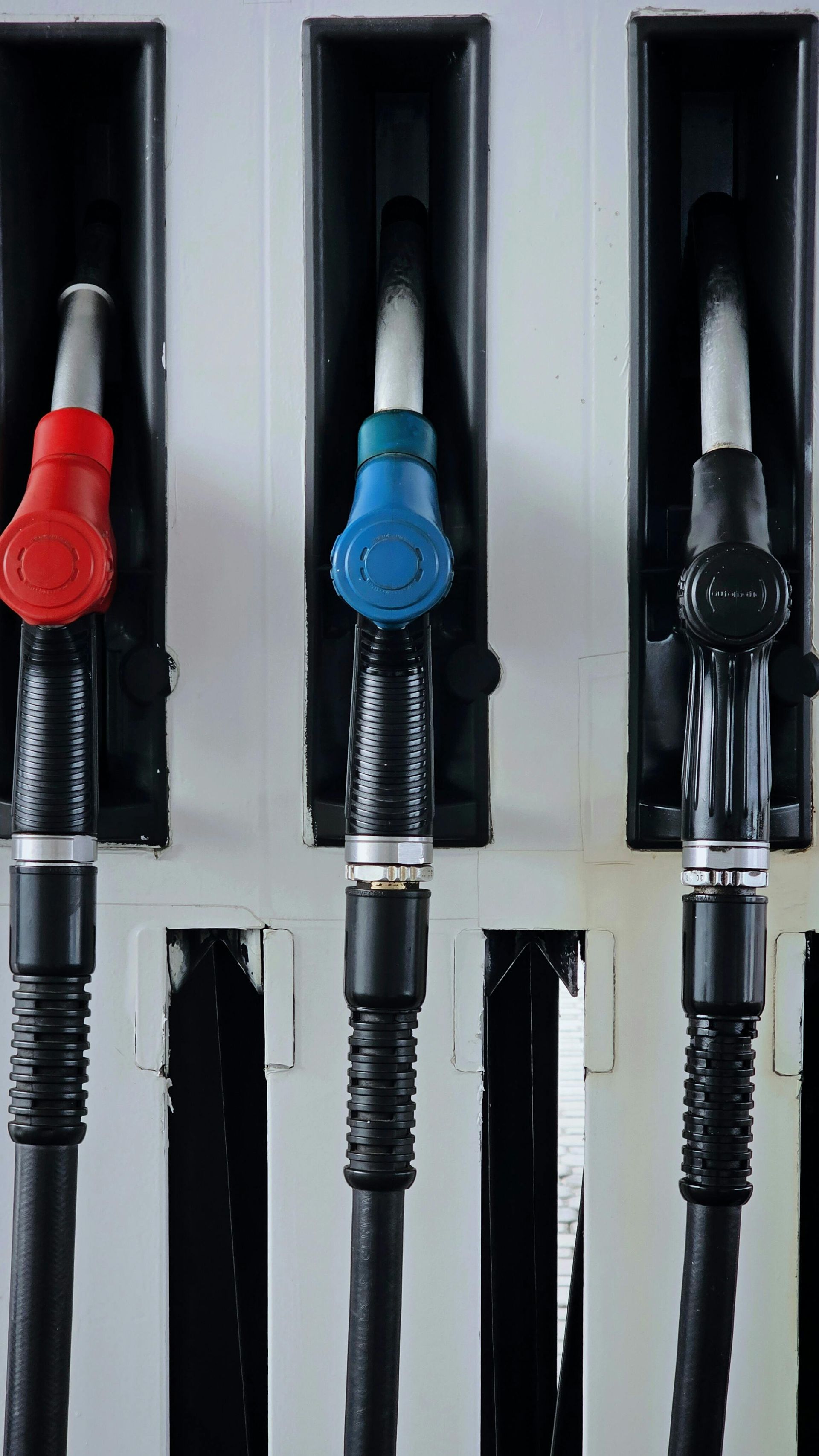
Compare wrong fuel rescue options in Australia. Learn why mobile specialists like Rapid Fuel Assist often beat dealerships and "premium" brands on price and speed.
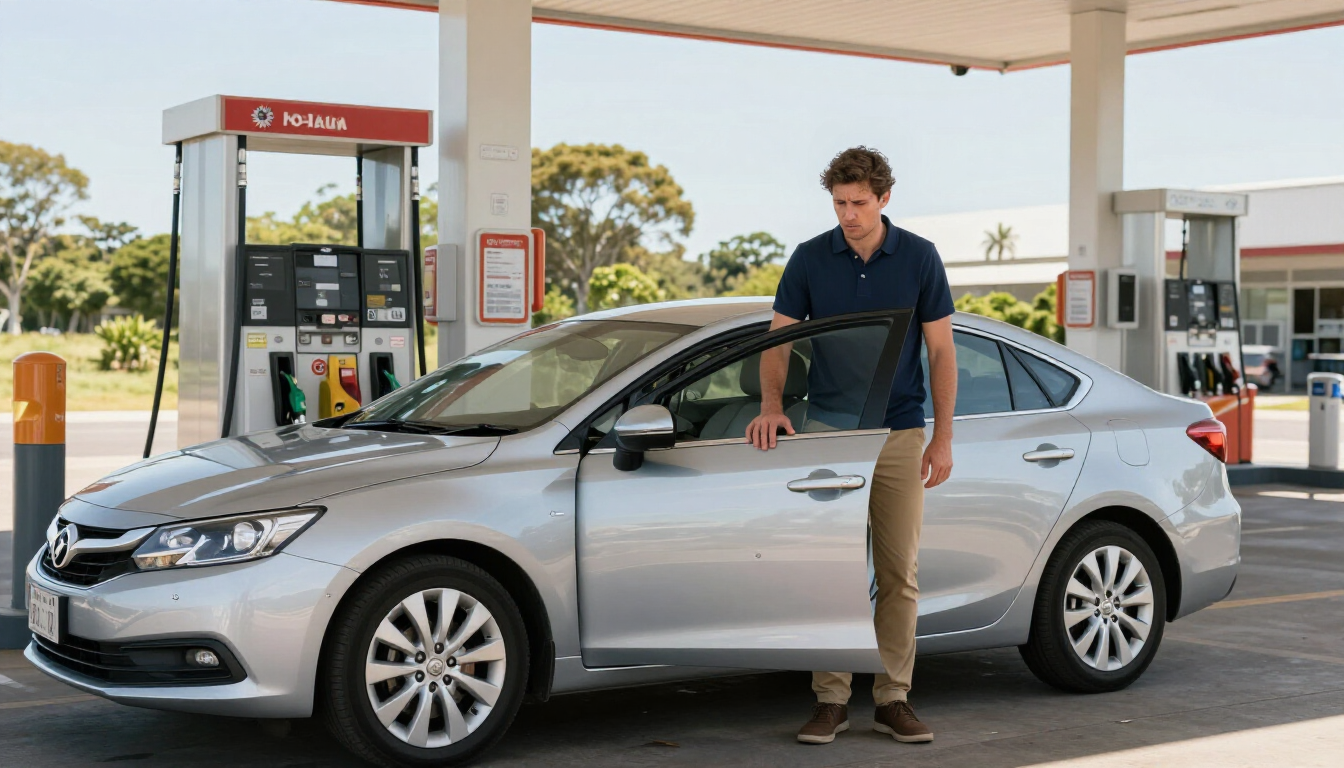
Discover the typical wrong fuel rescue cost in Australia. Compare roadside fuel drains vs. towing and workshop repairs to find the most cost-effective solution for misfuelling.
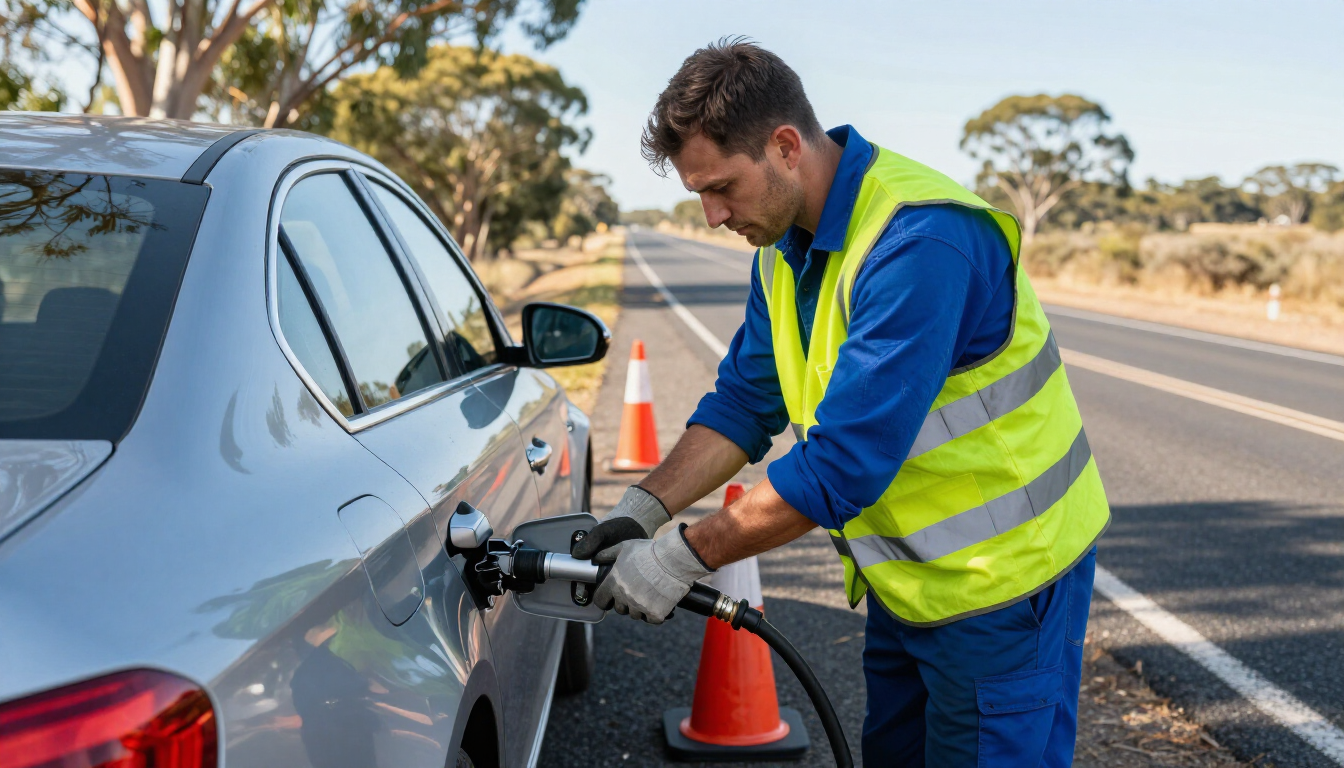
Discover what to do if you put the wrong fuel in your car in Melbourne. Learn about petrol in diesel, diesel in petrol, and how to find a mobile fuel drain.
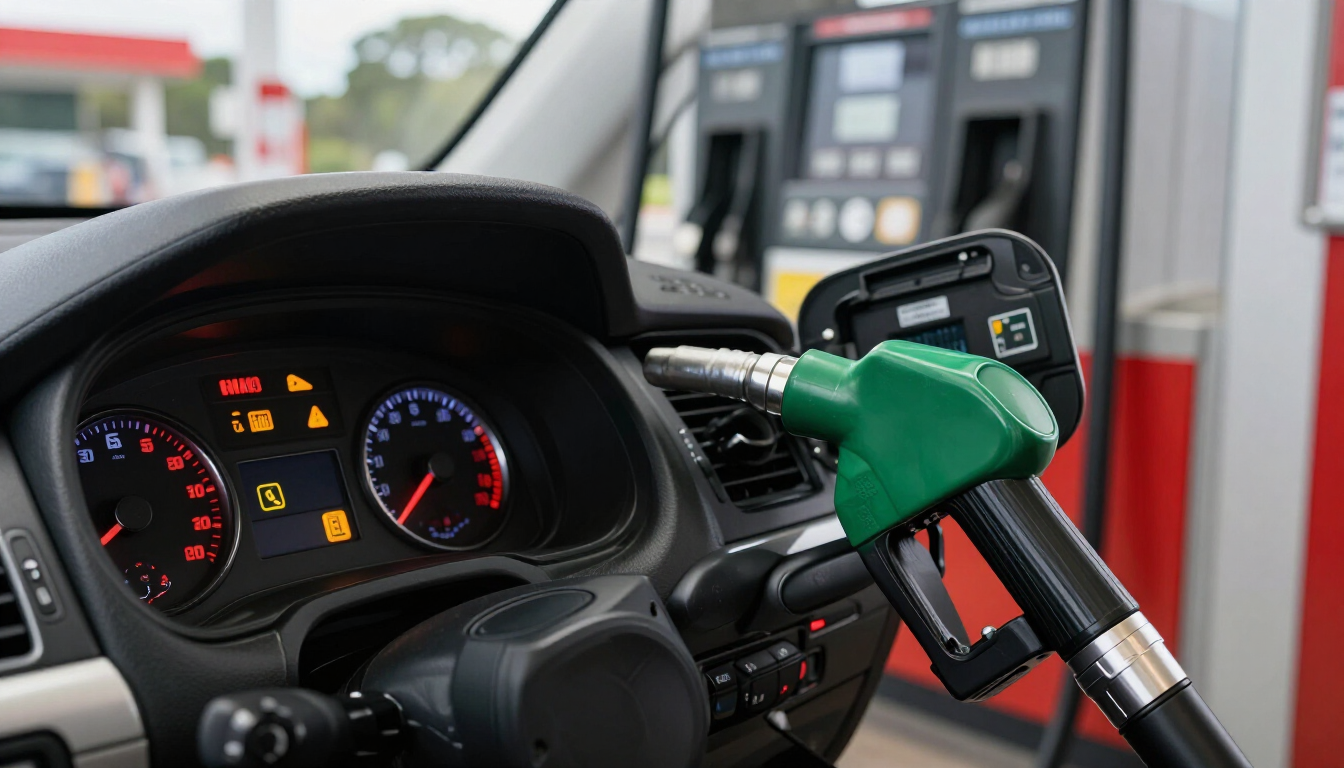
Putting petrol in a diesel engine causes severe friction damage and fuel system failure. Discover the mechanical science behind misfuelling and what to do next.
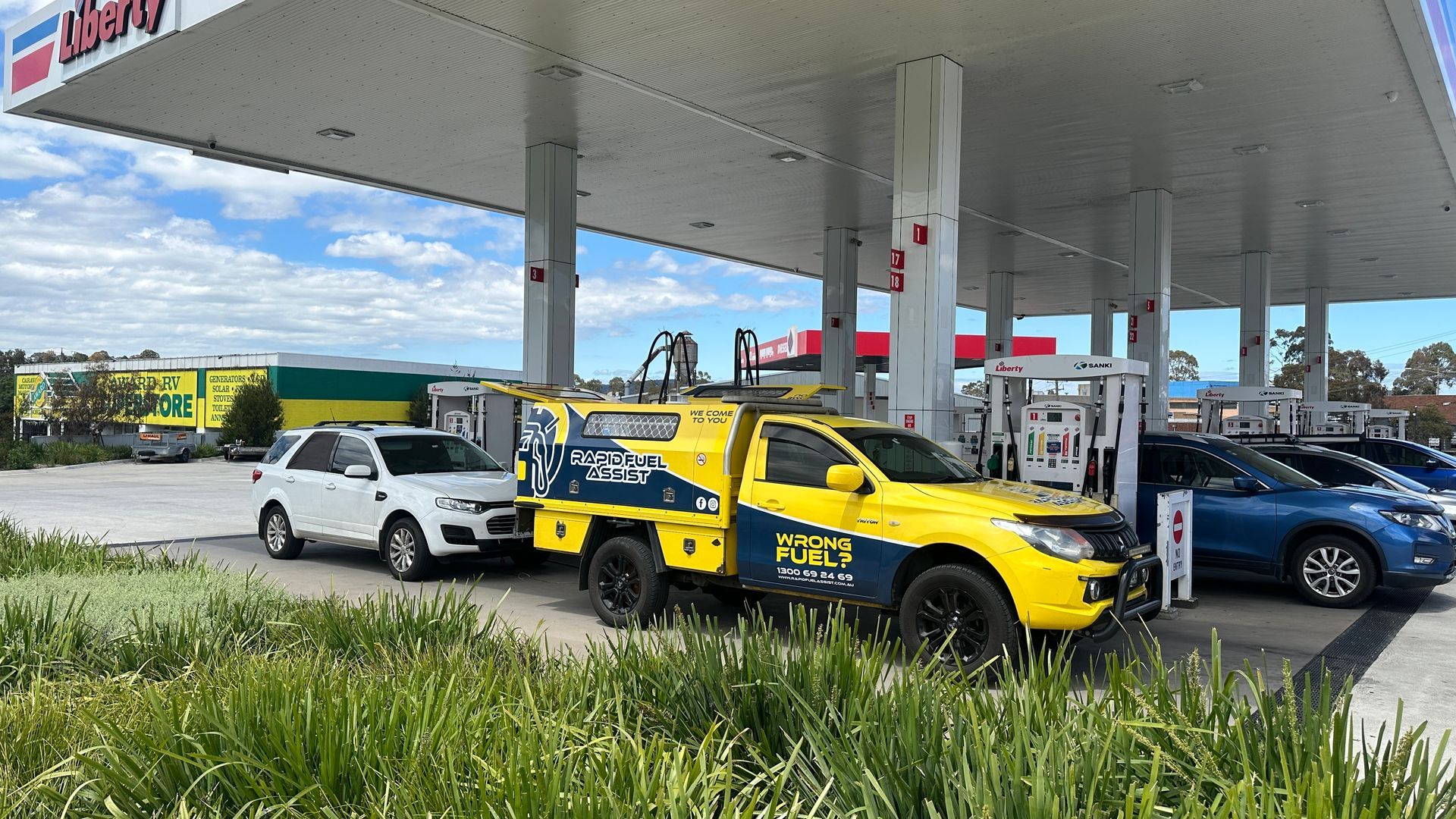
We reviewed the wrong fuel rescue options available in Melbourne. Here is our top pick, and the reasons why Rapid Fuel Assist stands out from the rest.

Wrong fuel in Melbourne? Compare your options - towing, roadside assistance or a specialist on-site drain. Find out the fastest and cheapest solution for Melbourne drivers.

Only added 1 or 2 litres of the wrong fuel? Even small amounts can seriously damage modern engines. Learn why 2 litres is more than you think.
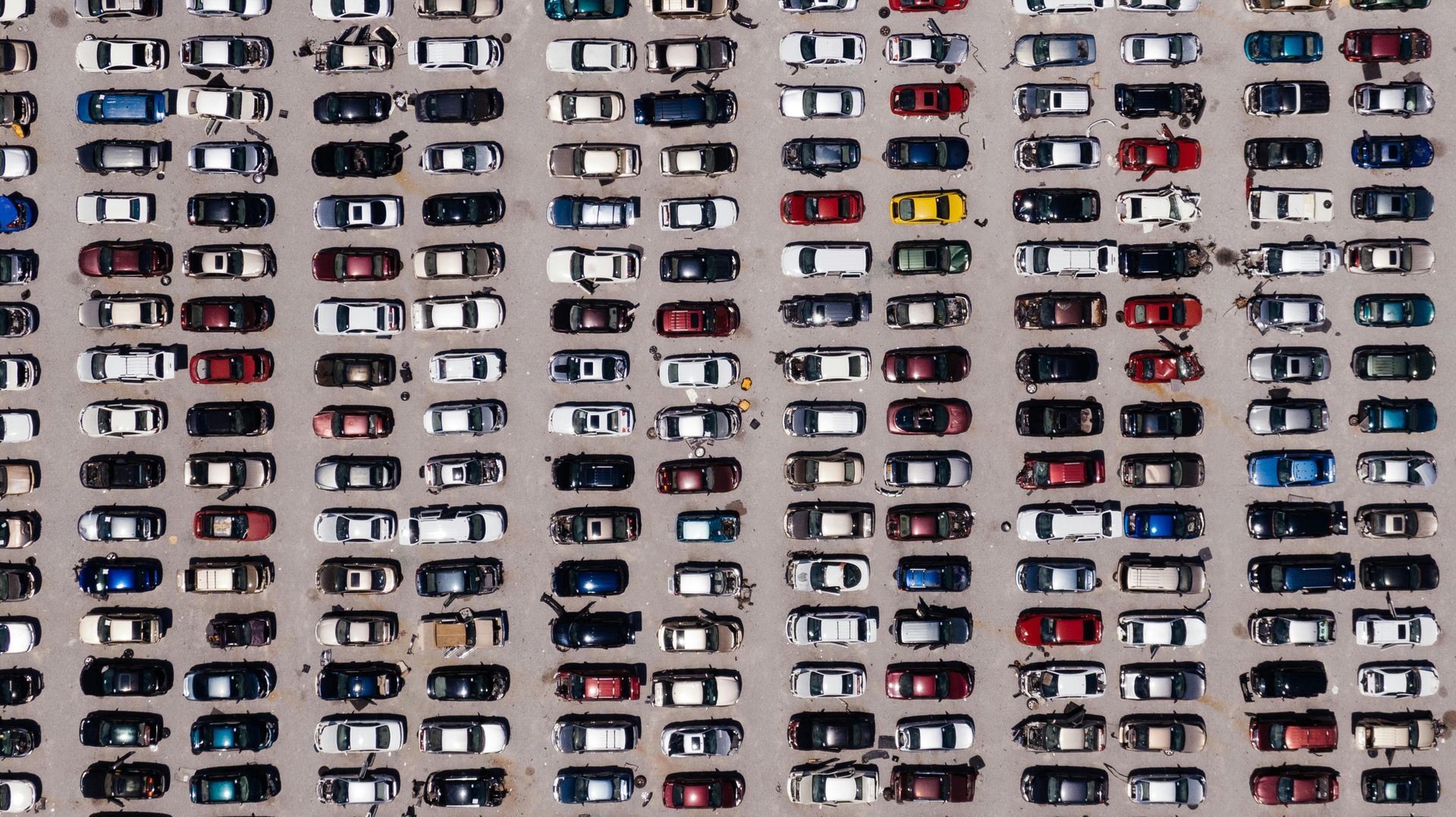
Discover the most common reasons drivers put the wrong fuel in their car, from distraction and fatigue to rental vehicles and simple refuelling habits.