Essential Tips to Prevent Fuel Contamination in Your Vehicle

Key Practices to Prevent Wrong Fuel Incidents

Implementing these safety measures helps avoid fuel contamination and protects your vehicle from costly damage.

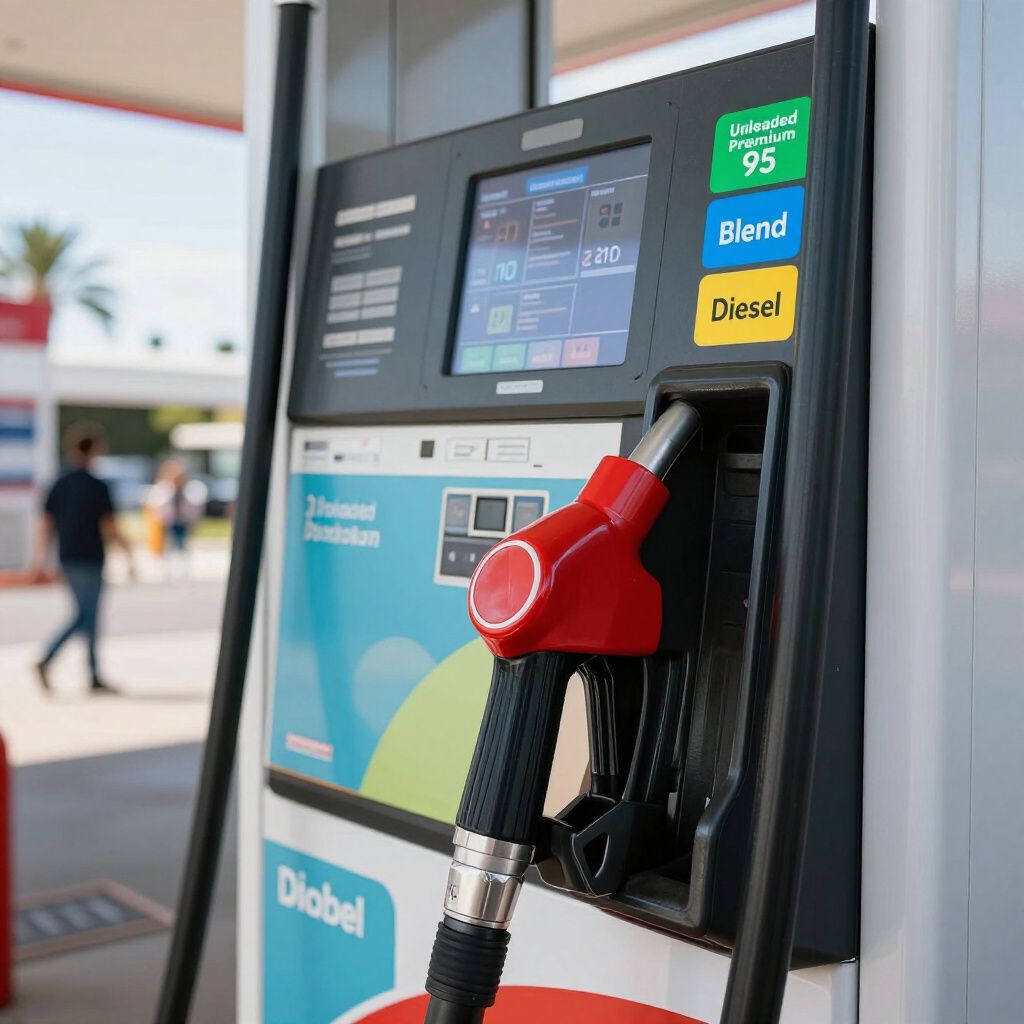
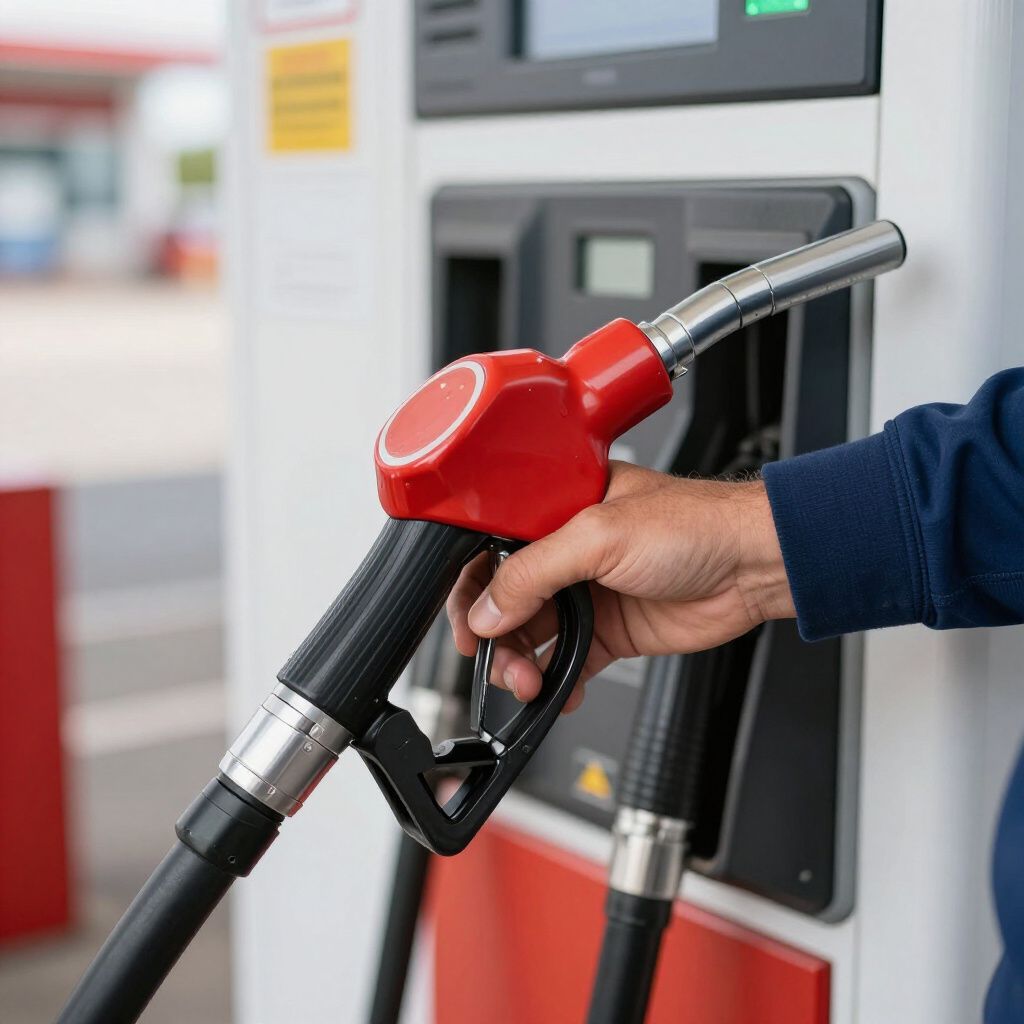
Gas pump with a red nozzle, screen, and fuel options.

Check Fuel Type Before Refueling

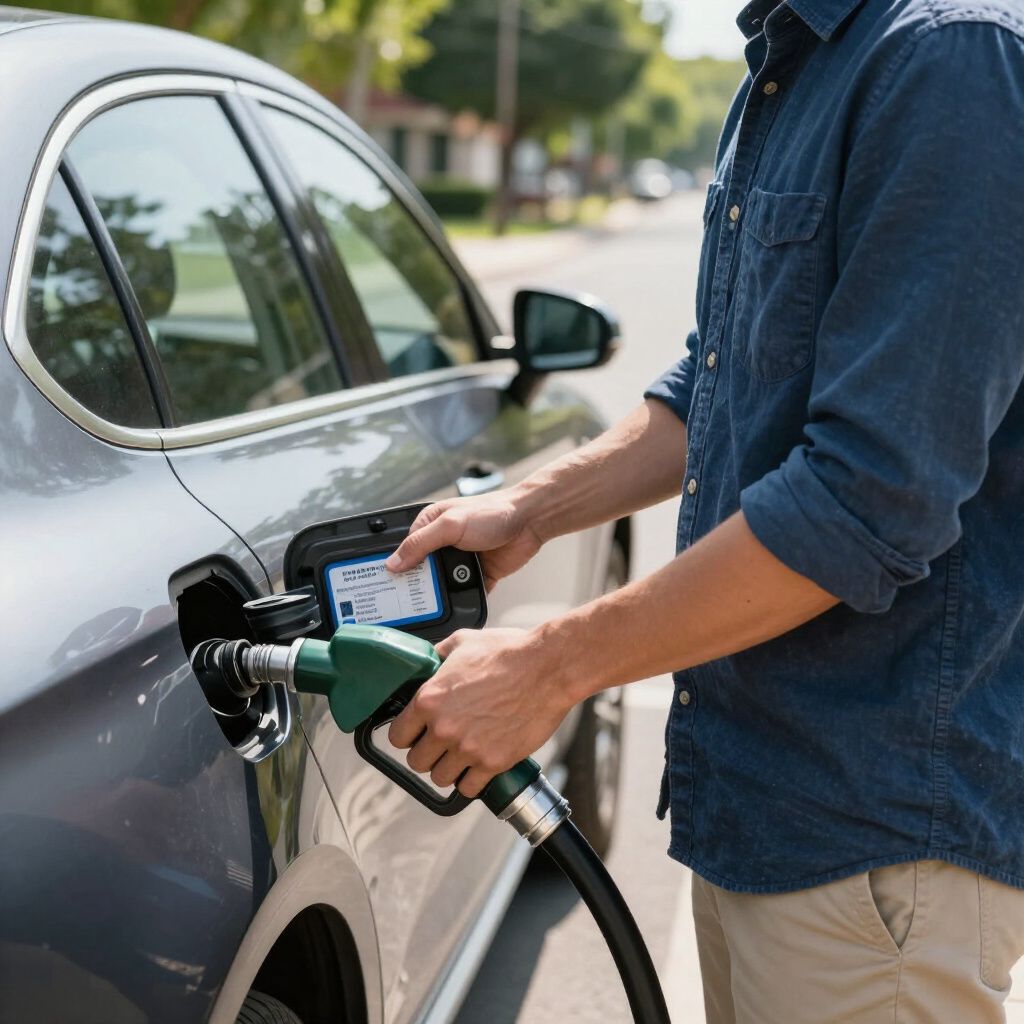
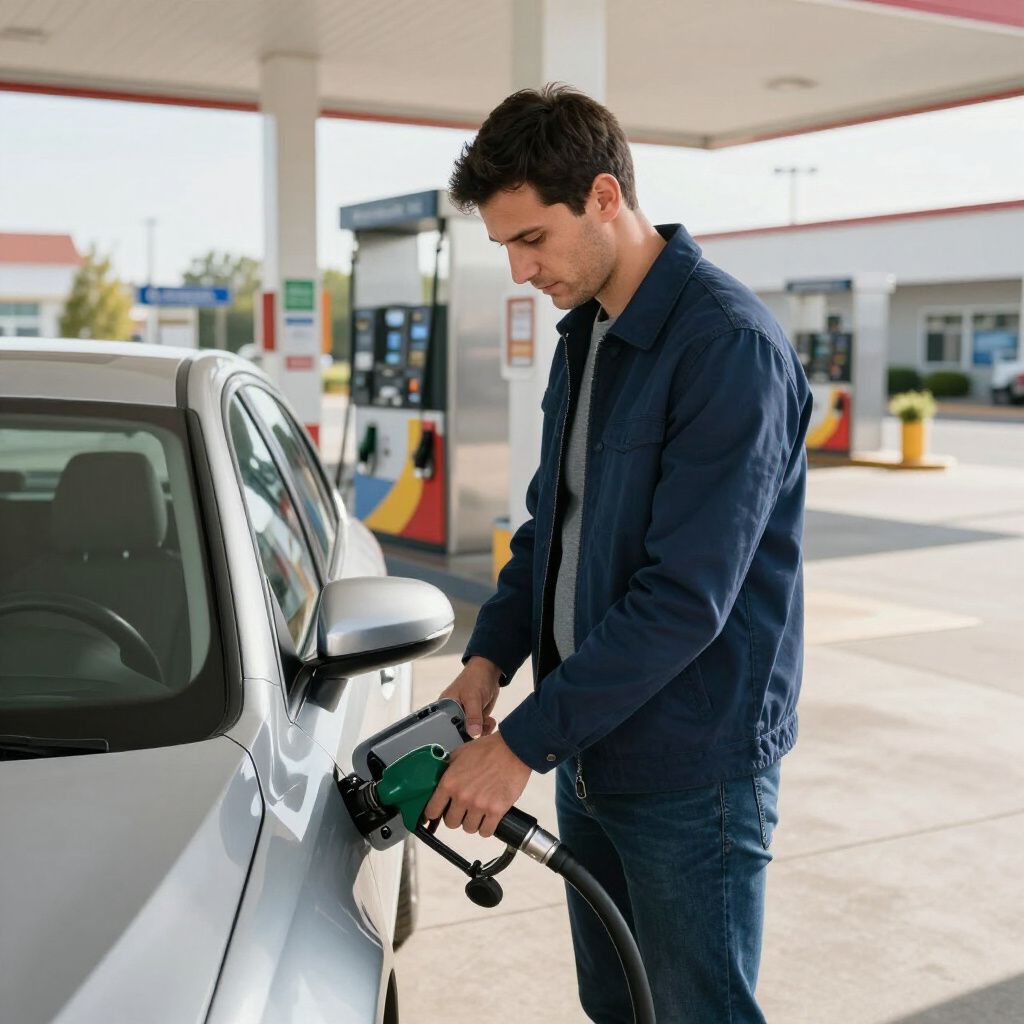
Person fueling a gray car at a gas station, holding the fuel nozzle.

Use Correct Fuel Dispensers Only

Person's hand gripping red fuel pump nozzle at gas station.

Stay Alert and Avoid Distractions

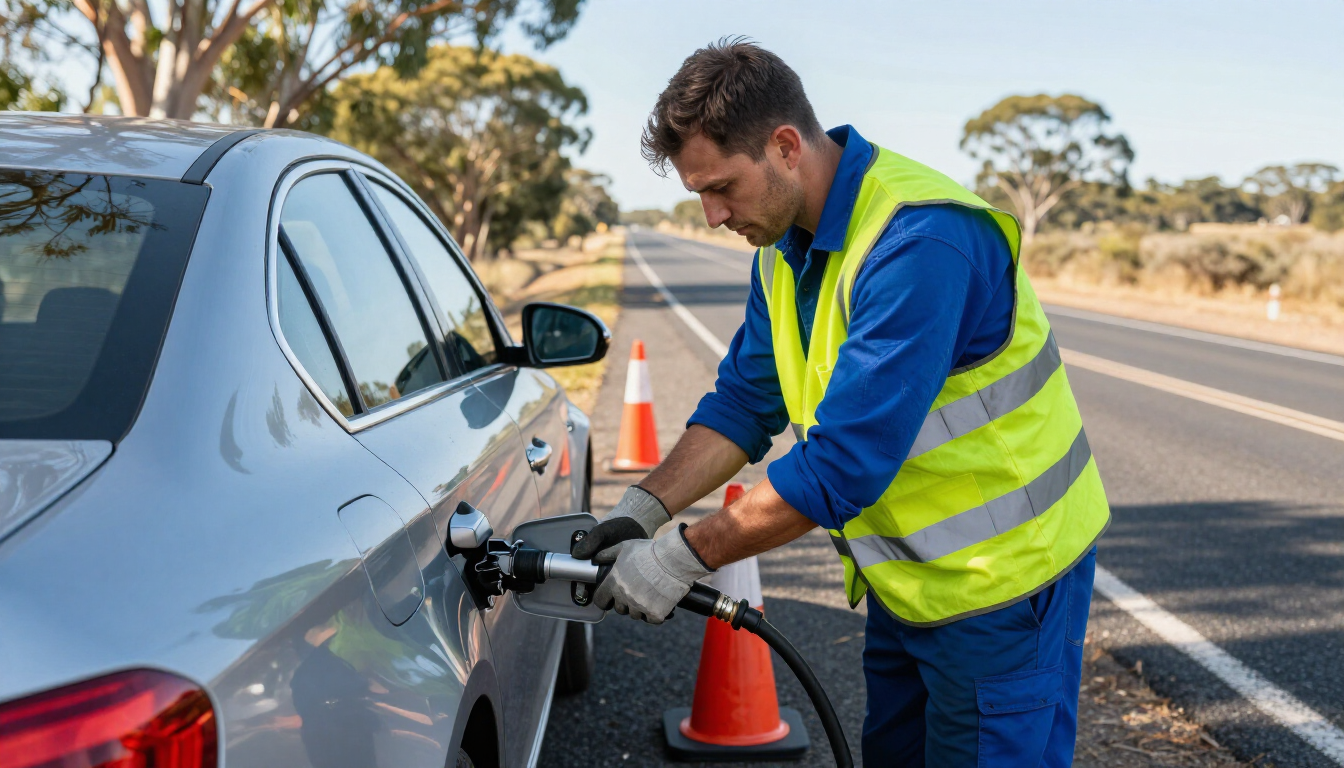
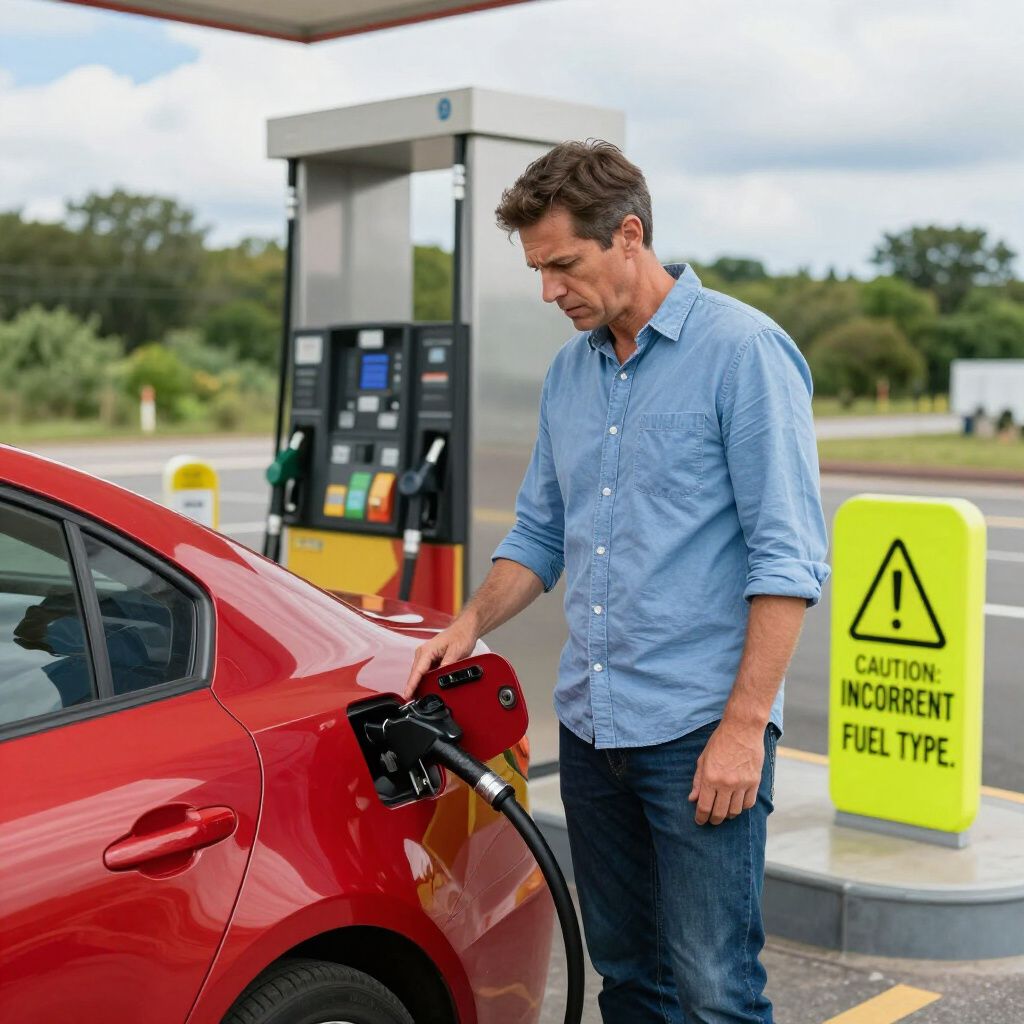
Man refueling a silver car at a gas station.

Regularly Inspect Fuel System Components

Common Causes of Fuel Contamination

Fuel contamination often results from using incorrect fuel types, mixing fuels, or filling up at unreliable stations. Understanding these errors helps prevent damage and costly repairs.

Avoiding Misfuelling Mistakes

Always verify the fuel type recommended for your vehicle before refueling. Double-check pump labels and avoid distractions to reduce the risk of selecting the wrong fuel.

Preventing Cross-Contamination

Never mix diesel and petrol in the same tank. Use clean containers and avoid topping up from questionable sources to keep fuel pure and your engine safe.

Safe Refueling Practices

Turn off your engine during refueling and avoid overfilling. Regularly inspect fuel caps and seals to prevent dirt or water from entering the tank.

Fuel Safety Guide

Learn more in our Blog, keep up to date with Wrong Fuel Info resources and knowledge that will help you in a wrong fuel incident


1 or 2 litres of unleaded petrol in diesel engine
By Wrong Fuel Info Editorial Team February 8, 2026
Only added 1 or 2 litres of the wrong fuel? Even small amounts can seriously damage modern engines. Learn why 2 litres is more than you think.
Different types of cars and vehicles parked together, showing petrol and diesel vehicles
By Wrong Fuel Info Editorial Team January 30, 2026
Discover the most common reasons drivers put the wrong fuel in their car, from distraction and fatigue to rental vehicles and simple refuelling habits.

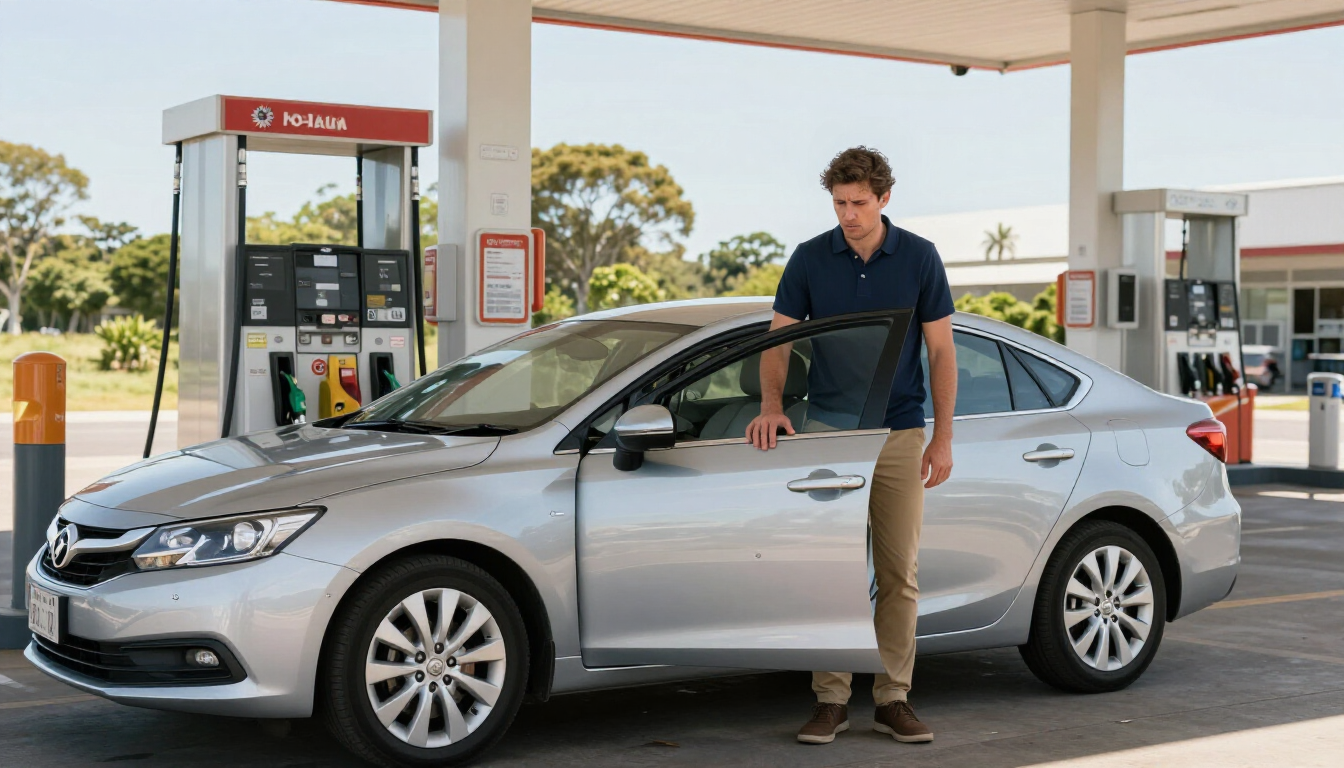
Car with bonnet open at the roadside, driver looking unsure after putting the wrong fuel
By Wrong Fuel Info Editorial Team January 14, 2026
Learn the long-term effects of driving with the wrong fuel, including fuel pump and injector damage, poor performance, and costly engine repairs.

Fuel Contamination FAQs

  • How can I prevent fuel contamination in my vehicle?

    Always verify the correct fuel type before refueling, use trusted service stations, and avoid topping up from unverified sources. Regularly inspect your fuel cap and tank for damage or debris that could allow contaminants to enter.

  • What should I do if I accidentally add the wrong fuel?

    Stop using the vehicle immediately to prevent further damage. Do not start the engine. Contact a professional for advice on draining the incorrect fuel safely and avoid attempting repairs yourself.

  • Can fuel contamination cause long-term damage to my car?

    Yes, contaminated fuel can damage the fuel system, engine components, and emission controls, leading to costly repairs. Early detection and proper response reduce the risk of lasting harm.

  • Are there signs that indicate fuel contamination?

    Common signs include engine misfires, difficulty starting, unusual noises, reduced performance, and warning lights on the dashboard. If you notice these symptoms after refueling, have your vehicle checked promptly.