Misfuelling occurs when a driver puts the wrong type of fuel into a vehicle’s tank, such as petrol in a diesel engine or vice versa. This mistake can happen due to confusion at the pump, similar-looking fuel nozzles, or unfamiliarity with the vehicle’s fuel requirements. Using incorrect fuel disrupts engine operation, potentially causing poor performance, damage to fuel system components, and increased safety risks. Understanding how misfuelling happens and its effects helps drivers take prompt action to protect their vehicles.
Why Misfuelling Happens
Drivers often misfuel due to distractions, confusing fuel types, or incorrect information. Common causes include rushing at the pump, unclear fuel labels, and assumptions based on previous vehicles.
Distractions at the Pump
Using mobile phones, talking to passengers, or multitasking can divert attention, leading to selecting the wrong fuel nozzle or pump.
Misinformation and Assumptions
Some drivers rely on outdated knowledge or advice from others, mistakenly believing certain fuels are interchangeable or suitable for their vehicle.
Fuel Label Confusion
Similar-looking fuel nozzles and inconsistent labeling at service stations can cause drivers to pick the wrong fuel type unintentionally.
Impact of Wrong Fuel on Engine Performance
Using incorrect fuel disrupts combustion, causing rough idling, reduced power, and increased emissions. It can lead to clogged injectors and damage to engine components, compromising efficiency and longevity.
Safety Risks from Fuel Contamination
Misfuelling can cause engine stalling or failure while driving, increasing accident risk. Contaminated fuel may damage fuel system parts, leading to costly repairs and potential breakdowns in unsafe locations.
Long-Term Vehicle Consequences
Repeated use of wrong fuel accelerates wear on the engine and fuel system, reducing vehicle reliability. It may void warranties and decrease resale value due to persistent mechanical issues.
Preventing Damage After Misfuelling
Promptly stopping the engine and avoiding driving can limit damage. Seeking professional advice quickly helps prevent further harm and ensures safe vehicle operation.
1
Immediate Actions After Misfuelling
If you realize you’ve added the wrong fuel, avoid starting the engine. Turn off the ignition and remove the key to prevent circulation of incorrect fuel. Contact a professional for advice on safe fuel removal and vehicle inspection.
2
Preventing Further Damage
Do not attempt to drive the vehicle, as this can spread the wrong fuel through the system, increasing repair costs. Inform your roadside assistance or mechanic about the misfuelling to ensure proper handling and avoid additional engine damage.
3
Safety Precautions to Follow
Keep the vehicle stationary in a safe location away from traffic. Avoid smoking or using open flames near the vehicle. Ensure all passengers exit the vehicle calmly and wait for expert help to arrive.
Tips to Prevent Misfuelling
Confirm Fuel Label
Maintain Attention
Consult Reliable Sources
Select Trusted Stations
Use Visual Reminders
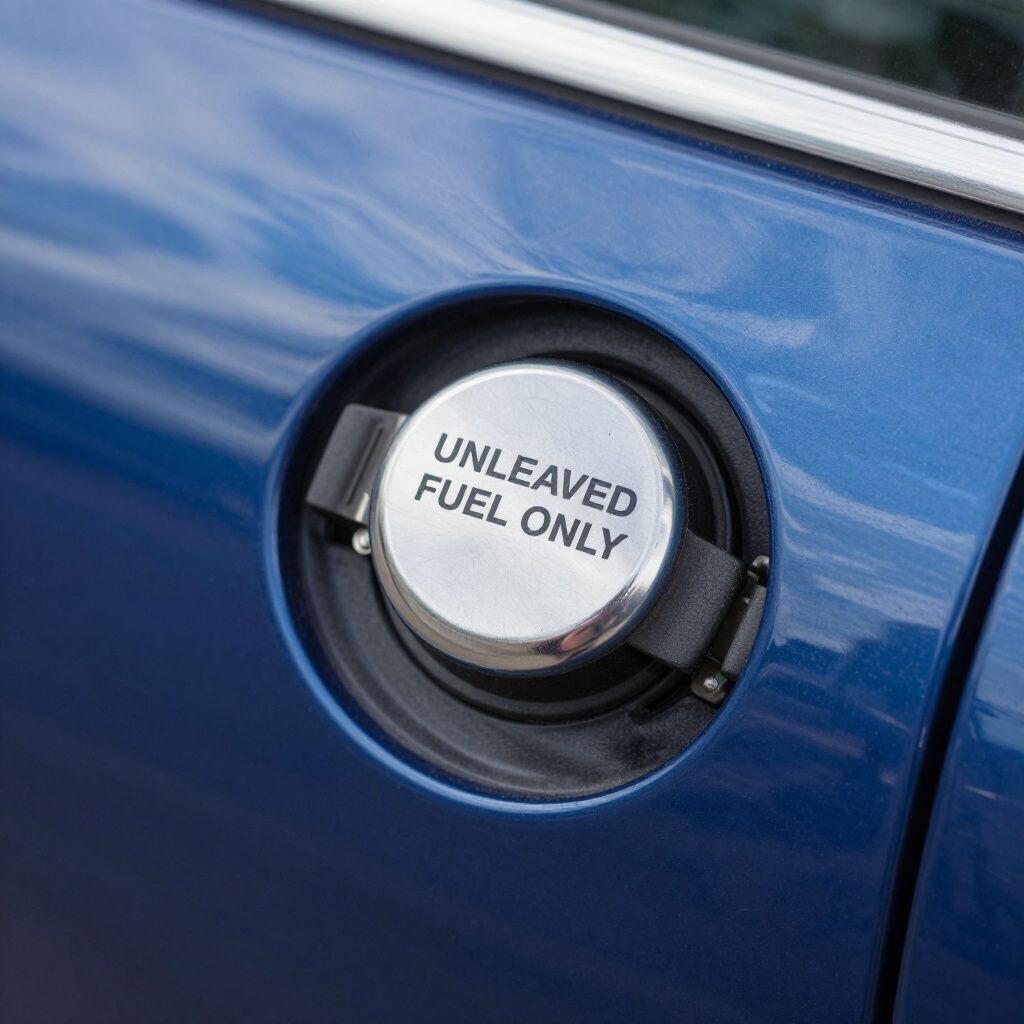
Following these practical steps helps drivers avoid costly mistakes and keeps vehicles running safely and efficiently.
Common Questions on Misfuelling
What is misfuelling and how does it happen?
Misfuelling occurs when a driver puts the wrong type of fuel into their vehicle’s tank, such as petrol in a diesel engine or vice versa. This often happens due to confusion at the pump, similar nozzle sizes, or distractions while refueling.
What are the immediate risks of misfuelling?
Using incorrect fuel can cause engine stalling, reduced performance, and damage to fuel system components. It may also lead to costly repairs and compromise vehicle safety if not addressed promptly.
How soon should I act after realizing I misfuelled?
If you notice the mistake before starting the engine, avoid turning it on and seek professional help to drain the tank. If the engine has started, stop driving immediately and contact a specialist to prevent further damage.
Can misfuelling cause permanent damage to my vehicle?
Yes, prolonged use of the wrong fuel can harm the engine, fuel injectors, and catalytic converter. Early intervention reduces the risk of permanent damage and expensive repairs.