

Petrol in a Diesel Engine: What Happens & 5 Critical Steps

Wrong Fuel Info Editorial Team • May 11, 2026

Share this article

Putting petrol in a diesel engine causes severe friction damage because petrol acts as a solvent, stripping away the essential lubrication provided by diesel fuel. This leads to metal-on-metal contact within the high-pressure fuel pump and injectors, creating metal shavings that contaminate the entire fuel system and potentially cause catastrophic engine failure.

What happens when you put petrol in a diesel engine?

The fundamental problem when petrol enters a diesel system is the loss of lubricity. Diesel fuel is a heavy, oily substance that serves two purposes: it provides energy for combustion and it lubricates the moving parts of the fuel injection system. Modern diesel engines, particularly those used across Australia, rely on extremely tight tolerances in their high-pressure fuel pumps and injectors.

When petrol is introduced, it dissolves the oily film that protects these components. Without this lubrication, metal components rub directly against one another at high speeds. This friction generates intense heat and causes microscopic fragments of metal, known as "swarf," to break off. These metal shavings are then carried through the system by the fuel flow, acting like an abrasive paste that damages everything in its path, from the fuel rail to the delicate tips of the fuel injectors.

Furthermore, petrol has a much lower flash point and a different auto-ignition temperature than diesel. In a diesel engine, fuel is ignited by the heat of compression rather than a spark plug. Petrol ignites far too early in this cycle, leading to "knocking" or detonation. This premature explosion puts immense pressure on the pistons, connecting rods, and crankshaft, which can result in bent components or a blown head gasket.

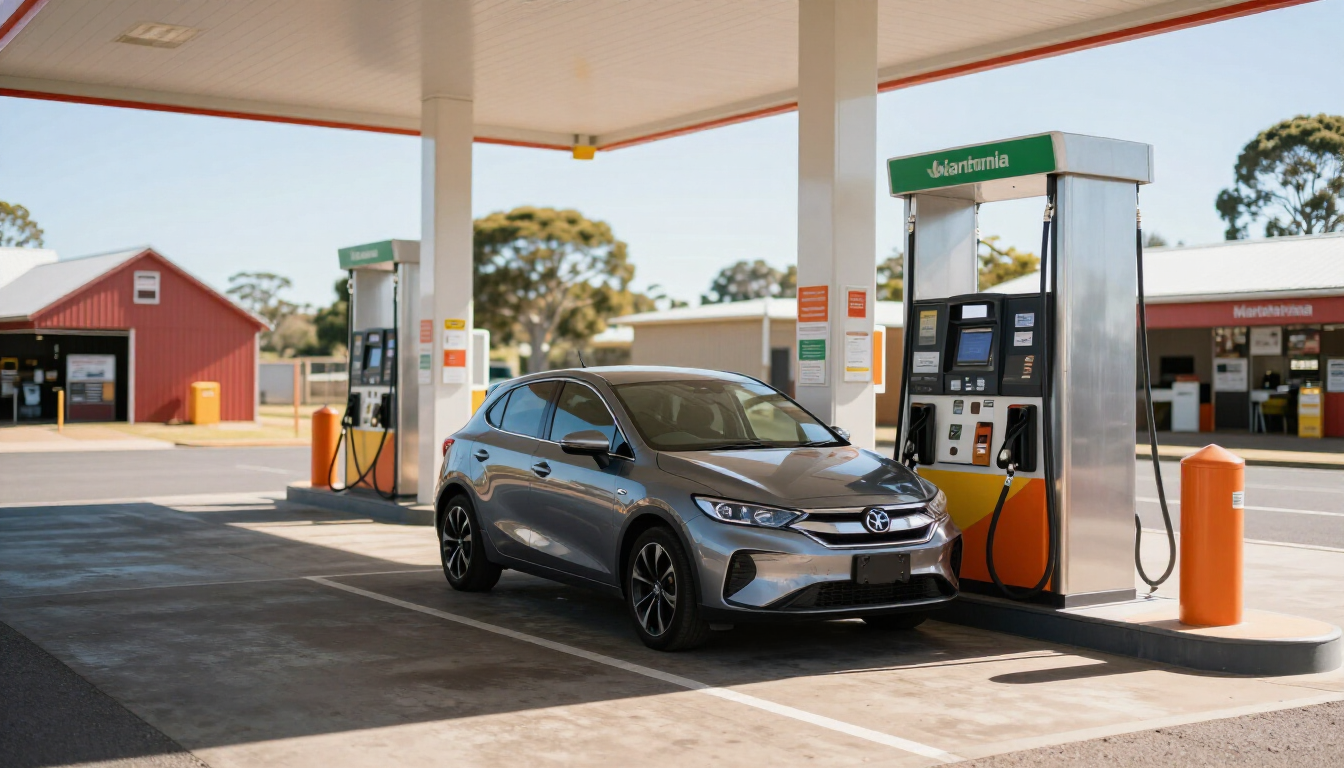
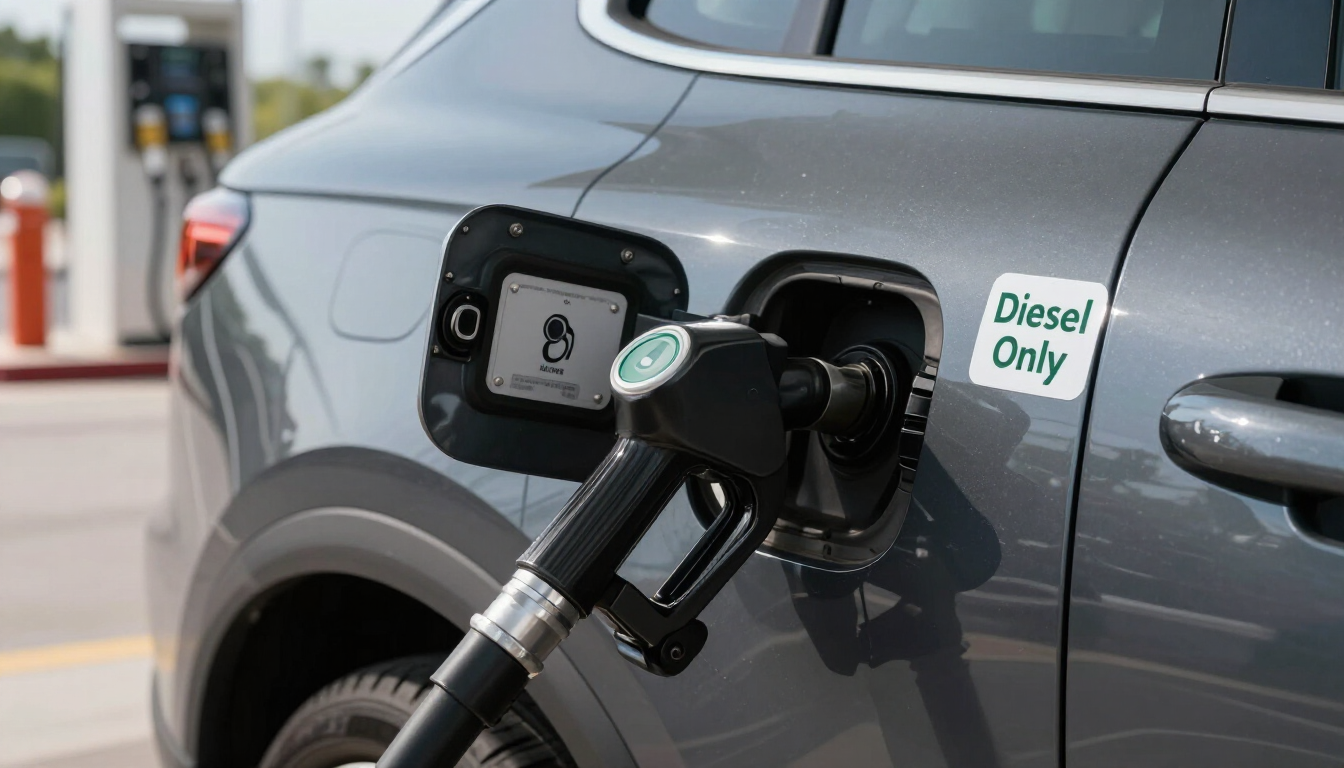
Petrol pump nozzle near a car

How do I know if I put petrol in my diesel car?

Detecting misfuelling early is the best way to minimize repair costs. If you realize your mistake at the pump, do not start the engine. However, if you have already begun driving, your vehicle will likely exhibit several distinct symptoms as the petrol reaches the engine. Understanding these signs can help you pull over before the damage becomes irreversible.

Common symptoms of petrol contamination include:

  • A loud knocking or rattling sound from the engine
  • Significant loss of power or sluggish acceleration
  • Excessive smoke emitting from the exhaust pipe
  • The engine warning light or glow plug light illuminating
  • The engine idling roughly or stalling unexpectedly

If you experience any of these issues, it is vital to stop the vehicle safely and turn off the ignition immediately. The longer the engine runs, the more petrol-contaminated fuel is circulated through the high-pressure components. You can find more details on what to look for in our FAQs on Wrong Fuel section.

The role of fuel lubrication in modern diesels

To understand why petrol is so toxic to a diesel engine, one must look at the evolution of diesel technology. Older diesel engines were more robust and could sometimes tolerate small amounts of contamination. However, modern "Common Rail" diesel engines operate at pressures exceeding 30,000 psi. At these pressures, the fuel itself is the only thing preventing the internal parts of the fuel pump from welding themselves together due to friction.

Petrol is a solvent designed to evaporate quickly and burn cleanly when sparked. It lacks the long-chain hydrocarbons that give diesel its lubricating properties. When you mix the two, the viscosity of the fuel drops significantly. This thin, non-lubricating mixture cannot maintain the protective barrier required by the fuel pump’s internal cams and rollers. For more background on how these systems operate, visit our page on Understanding Misfuelling .

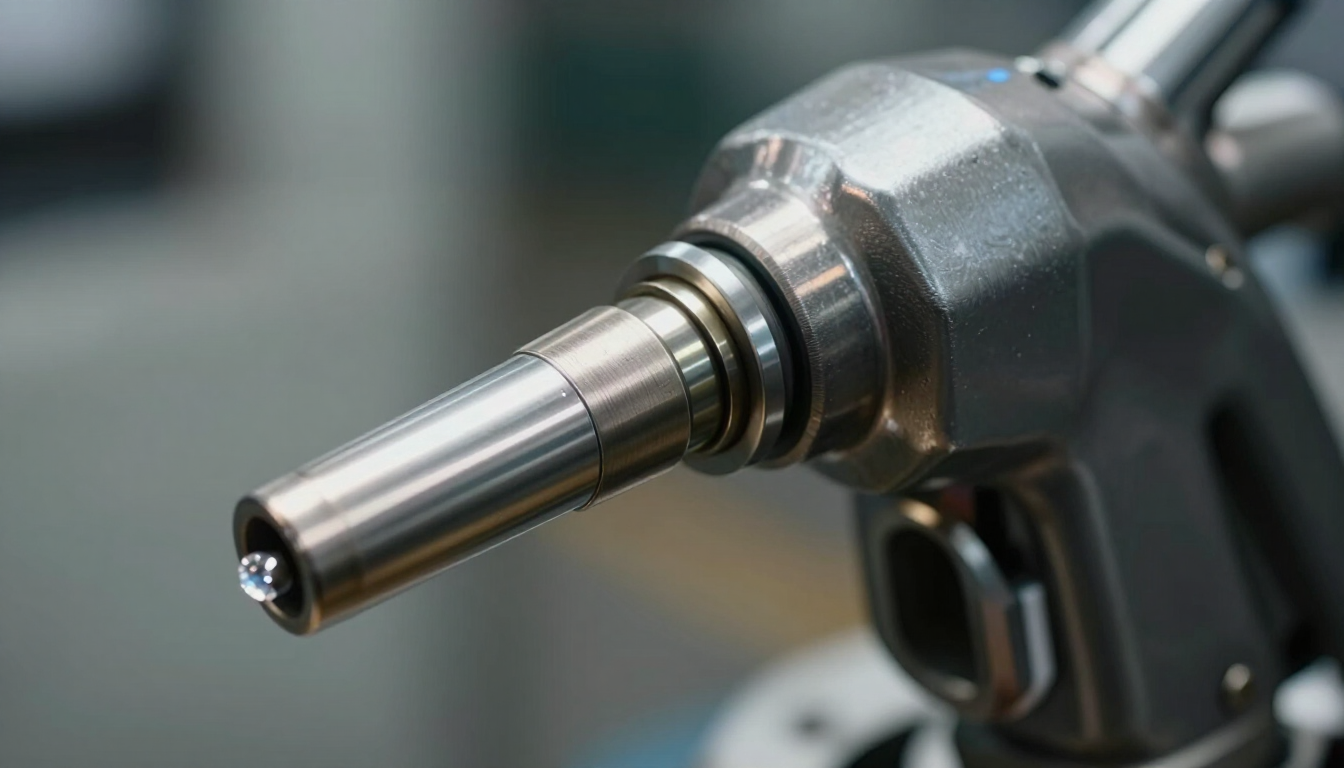
Engine fuel system diagram

Is it safe to drive after misfuelling?

In short: No. Driving even a short distance with petrol in a diesel engine can turn a simple tank drain into a multi-thousand-dollar engine rebuild. If you have only put a very small amount of petrol in—less than 5% of the total tank capacity—some manufacturers suggest you may be able to top it up with diesel and continue. However, at Wrong Fuel Info, we recommend extreme caution, as modern Australian emission systems and high-pressure pumps are incredibly sensitive.

If the concentration of petrol is higher, the risks include:

  • Complete seizure of the high-pressure fuel pump
  • Blockage of the fuel injectors due to metal swarf
  • Damage to the Diesel Particulate Filter (DPF)
  • Piston crowning or melting due to pre-detonation
  • Total engine failure requiring a complete replacement

The most important rule is to remain calm. If you have not started the car, the petrol is likely contained within the fuel tank. In this scenario, the fix involves a professional fuel drain and a flush of the low-pressure lines. Once you turn the key to the "on" position, many modern cars prime the fuel pump, drawing the petrol toward the engine even before the starter motor turns. For a step-by-step guide on what to do, refer to our Immediate Actions page.

Why does petrol cause the engine to smoke?

Diesel engines work by injecting fuel into highly compressed, hot air. Diesel burns relatively slowly and provides a steady push on the piston. Petrol, however, vaporizes much more easily and ignites prematurely. This uneven and incomplete combustion results in unburnt fuel and oil entering the exhaust system. This often manifests as thick black or blue smoke coming from the tailpipe. This isn't just an environmental issue; it indicates that the internal combustion environment is chaotic and damaging the engine's physical structure.

Repairing the damage from petrol contamination

If the vehicle has been driven until it stopped, the repair process becomes significantly more complex. A mechanic will typically need to inspect the entire fuel system for signs of metal debris. If swarf is found in the fuel filter or the fuel rail, the entire system—including the tank, lines, pump, rail, and all injectors—may need to be replaced or professionally cleaned. This is because even a single microscopic metal flake left in the system can later ruin a brand-new set of injectors.

In Australia, where many drivers rely on diesel for long-distance travel and towing, the costs can be substantial. Insurance coverage for misfuelling varies widely between providers, so it is always worth checking your policy. However, prevention is always more cost-effective than repair. You can learn about protective measures, such as fuel cap alarms and labels, on our Preventing Fuel Contamination page.

Towing a car on an Australian road

Summary of Key Takeaways

Dealing with petrol in a diesel engine is a stressful experience, but understanding the mechanical reality can help you make the right decisions quickly. Wrong Fuel Info provides this guidance to ensure Australian drivers are equipped with the facts before they face an expensive repair bill.

  • Lubrication is Key: Petrol strips the lubrication that diesel components need to function, leading to metal-on-metal friction.
  • Swarf is the Enemy: Friction creates metal shavings that can destroy the entire fuel system if they are allowed to circulate.
  • Do Not Start the Car: If you catch the mistake at the pump, leave the engine off to keep the petrol contained in the tank.
  • Watch for Symptoms: Knocking, smoke, and power loss are signs that the petrol has reached the combustion chamber.
  • Professional Help is Necessary: A full fuel system flush is the only way to ensure all contaminants are removed safely.

By following these principles and acting quickly, you can protect your vehicle's engine and avoid the most severe consequences of misfuelling. For further information and educational resources, please explore the rest of our Blog and information guides.

Recent Posts

A car parked at an Australian fuel station with fuel pumps in the background.
By Wrong Fuel Info Editorial Team May 11, 2026
Discover what to do if you put the wrong fuel in your car in Melbourne. Learn about petrol in diesel, diesel in petrol, and how to find a mobile fuel drain.
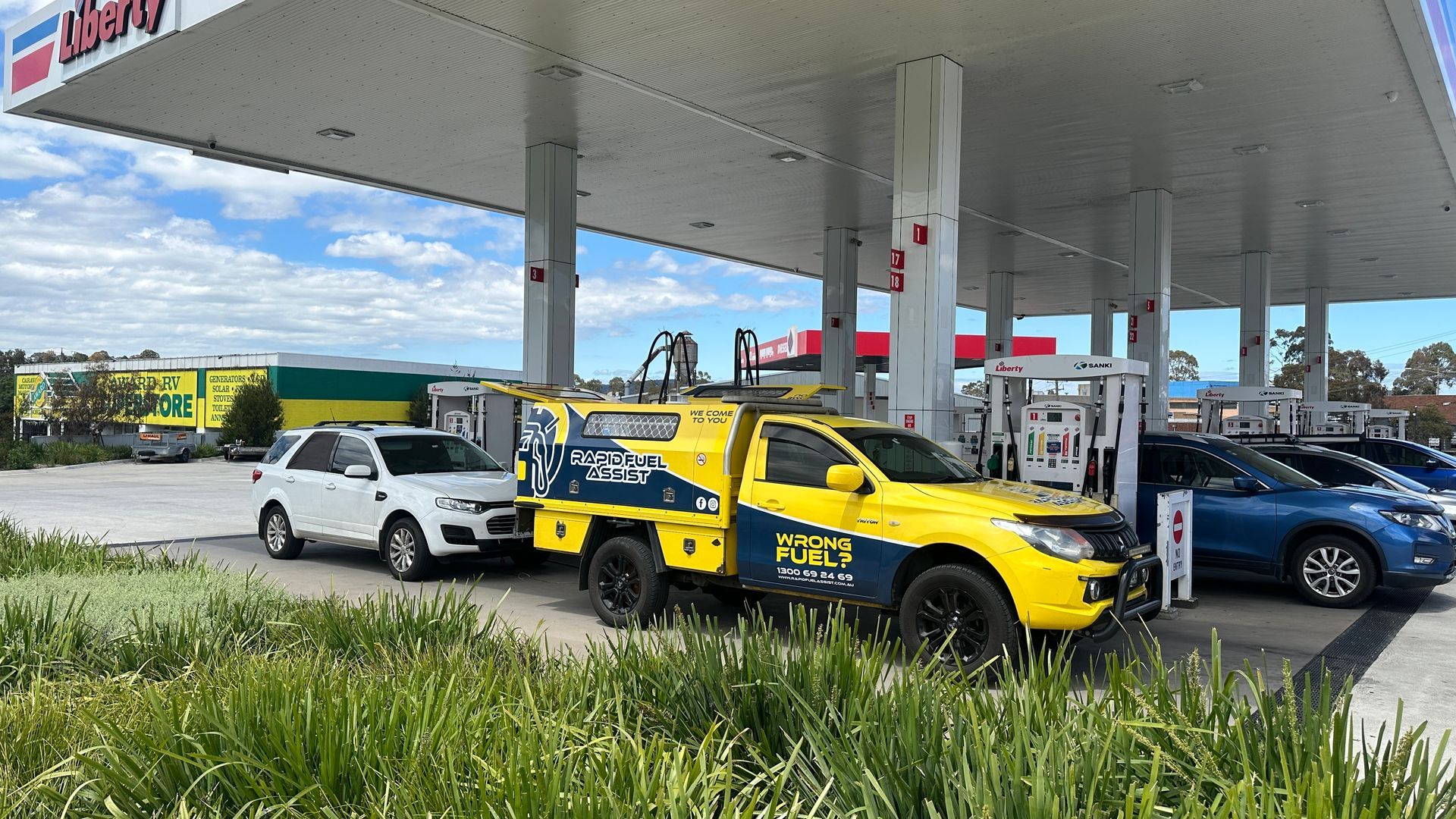
Best wrong fuel rescue service Melbourne attending on-site callout
By Wrong Fuel Info Editorial Team May 2, 2026
We reviewed the wrong fuel rescue options available in Melbourne. Here is our top pick, and the reasons why Rapid Fuel Assist stands out from the rest.

A person fuels a red car at a station next to a yellow caution sign that reads: CAUTION: INCORRECT FUEL TYPE.
By Wrong Fuel Info Editorial Team March 20, 2026
Wrong fuel in Melbourne? Compare your options - towing, roadside assistance or a specialist on-site drain. Find out the fastest and cheapest solution for Melbourne drivers.
1 or 2 litres of unleaded petrol in diesel engine
By Wrong Fuel Info Editorial Team February 8, 2026
Only added 1 or 2 litres of the wrong fuel? Even small amounts can seriously damage modern engines. Learn why 2 litres is more than you think.
Different types of cars and vehicles parked together, showing petrol and diesel vehicles
By Wrong Fuel Info Editorial Team January 30, 2026
Discover the most common reasons drivers put the wrong fuel in their car, from distraction and fatigue to rental vehicles and simple refuelling habits.

Car with bonnet open at the roadside, driver looking unsure after putting the wrong fuel
By Wrong Fuel Info Editorial Team January 14, 2026
Learn the long-term effects of driving with the wrong fuel, including fuel pump and injector damage, poor performance, and costly engine repairs.