Wrong Fuel Rescue: Compare Your Options in Australia
Wrong fuel rescue in Australia involves choosing between premium-branded services, specialized mobile technicians like Rapid Fuel Assist, car dealerships, or roadside assistance clubs. While some offer convenience and high-end branding, mobile specialists provide the fastest on-site fuel drainage at a significantly lower fixed cost without needing a tow.
How to choose the right wrong fuel rescue in Australia?
Selecting the best service for a misfuelling incident requires balancing speed, cost, and technical expertise. In Australia, the market is divided into four main categories. Each has pros and cons, but the "best" choice usually depends on your location and whether you have already started the engine. If you are in a major city like Melbourne, a mobile specialist is often the most efficient route.
When evaluating your options, consider these five critical factors:
- Response Time: How quickly can they reach your location (petrol station or roadside)?
- On-site Capability: Can they drain the fuel and flush the system where the car sits, or do they require a tow?
- Pricing Structure: Is it a fixed fee (typically $400-$600) or an hourly rate that could escalate?
- Specialization: Does the technician focus exclusively on fuel systems, or are they a general mechanic?
- Warranty Protection: Does the service provide a guarantee that the fuel system is clean and safe to run?
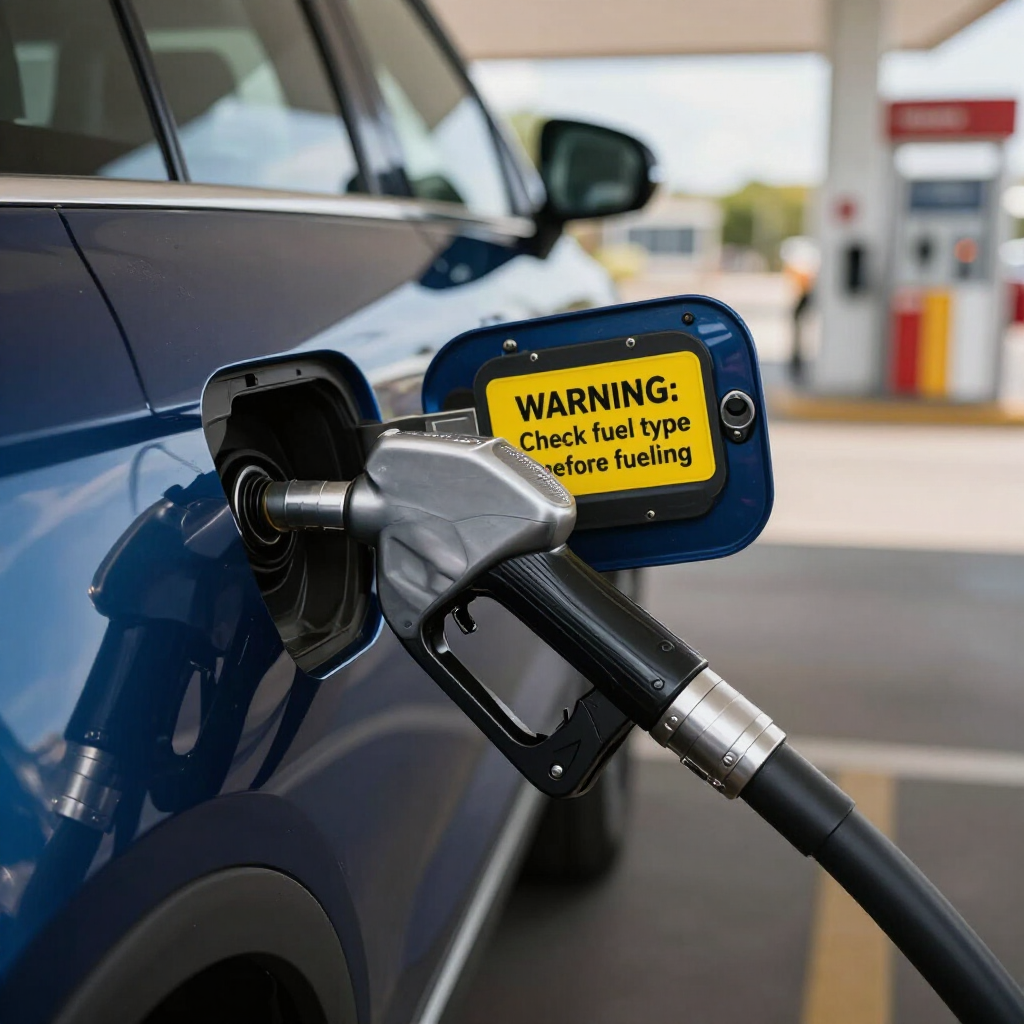
Before making a call, you must identify your immediate actions . The most important rule is: do not start the engine . Even turning the ignition to the 'on' position can prime the fuel pump and send contaminated fuel into the delicate injectors. By remaining stationary, you keep the contamination contained within the fuel tank, making the rescue process much simpler and less expensive.
Is Wrong Fuel Rescue worth the premium price?
There is a well-known national provider in Australia under the brand name "Wrong Fuel Rescue." They have built a strong reputation and high visibility, but this often comes with a "premium" price tag. While their service is professional, many Australian drivers find that they are paying for the brand name and extensive marketing budgets rather than a fundamentally different mechanical process.
Premium providers often charge significantly more than independent specialists for the same physical task: pumping out the tank, flushing the lines, and refilling with the correct fuel. For some, the peace of mind of a national brand is worth the extra $200-$400. However, if you are looking for identical technical results at a more realistic price point, independent specialists are the industry's "hidden gem."
It is also worth noting that national brands sometimes subcontract their work to local specialists in certain regions. This means you might end up with the same technician you could have hired directly for a lower price. Always ask if the company attending is an employee or a contractor to understand where your money is going.
Why mobile specialists like Rapid Fuel Assist are the best value?
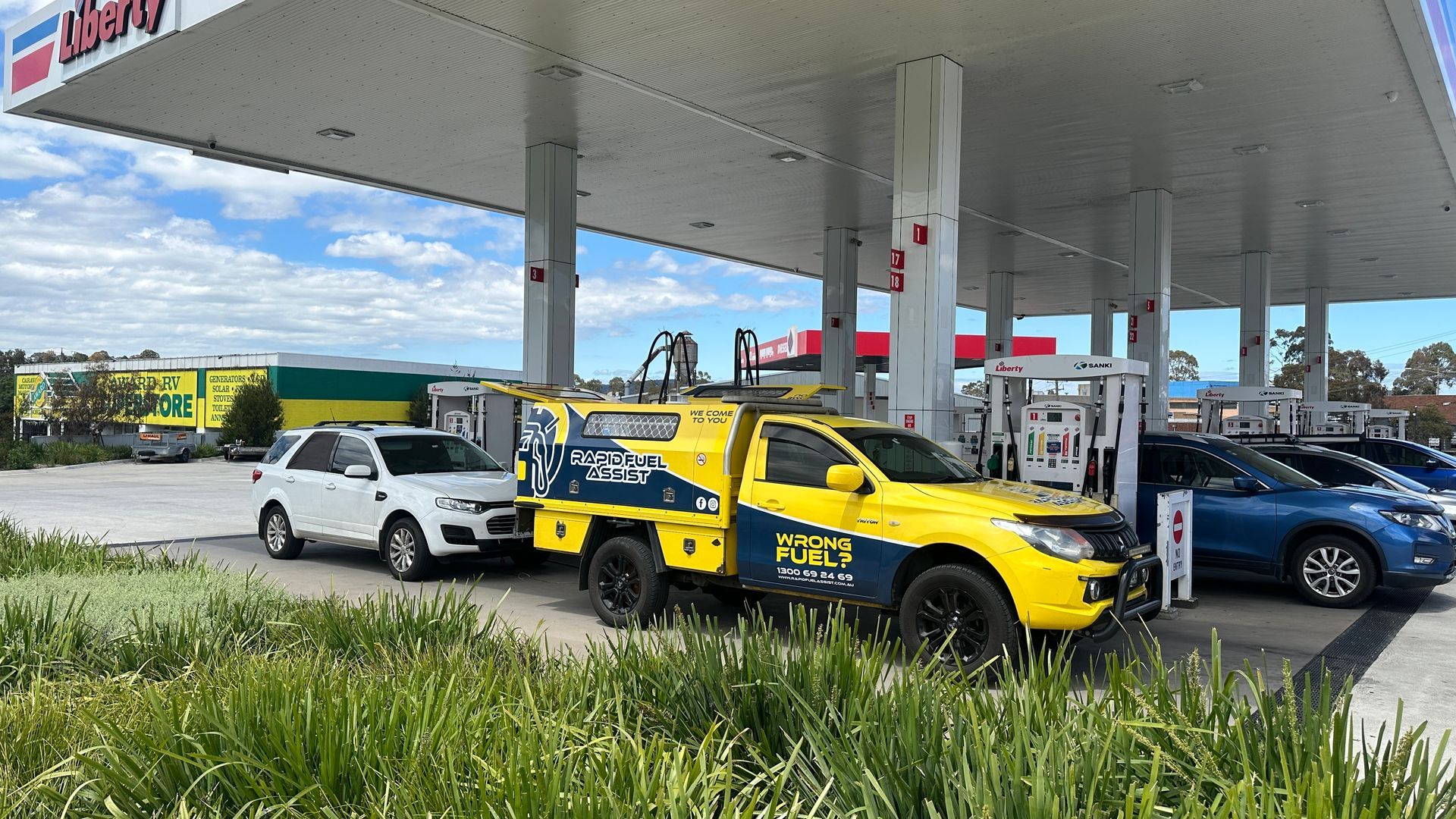
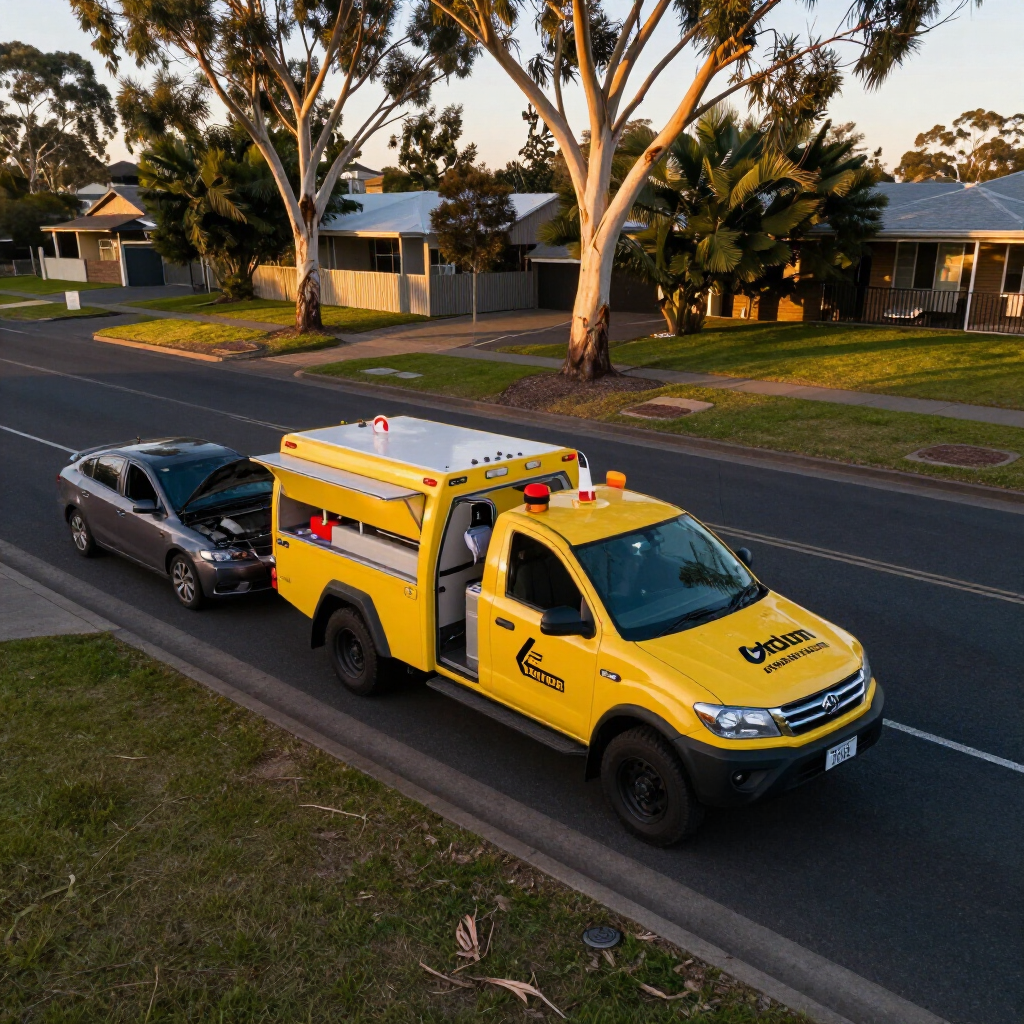
For drivers in specific regions, such as those looking for Rapid Fuel Assist in Melbourne , the value proposition of a local mobile specialist is hard to beat. These companies focus on high-volume, high-efficiency fuel drainage. Because they don't have the overheads of a national franchise or the massive infrastructure of a dealership, they can pass those savings on to the consumer.
Key benefits of choosing a mobile specialist include:
- Fixed Pricing: Most reputable specialists offer a flat rate (often between $400 and $550) regardless of the vehicle type.
- Rapid Arrival: In metropolitan areas, arrival times are frequently under 60 minutes.
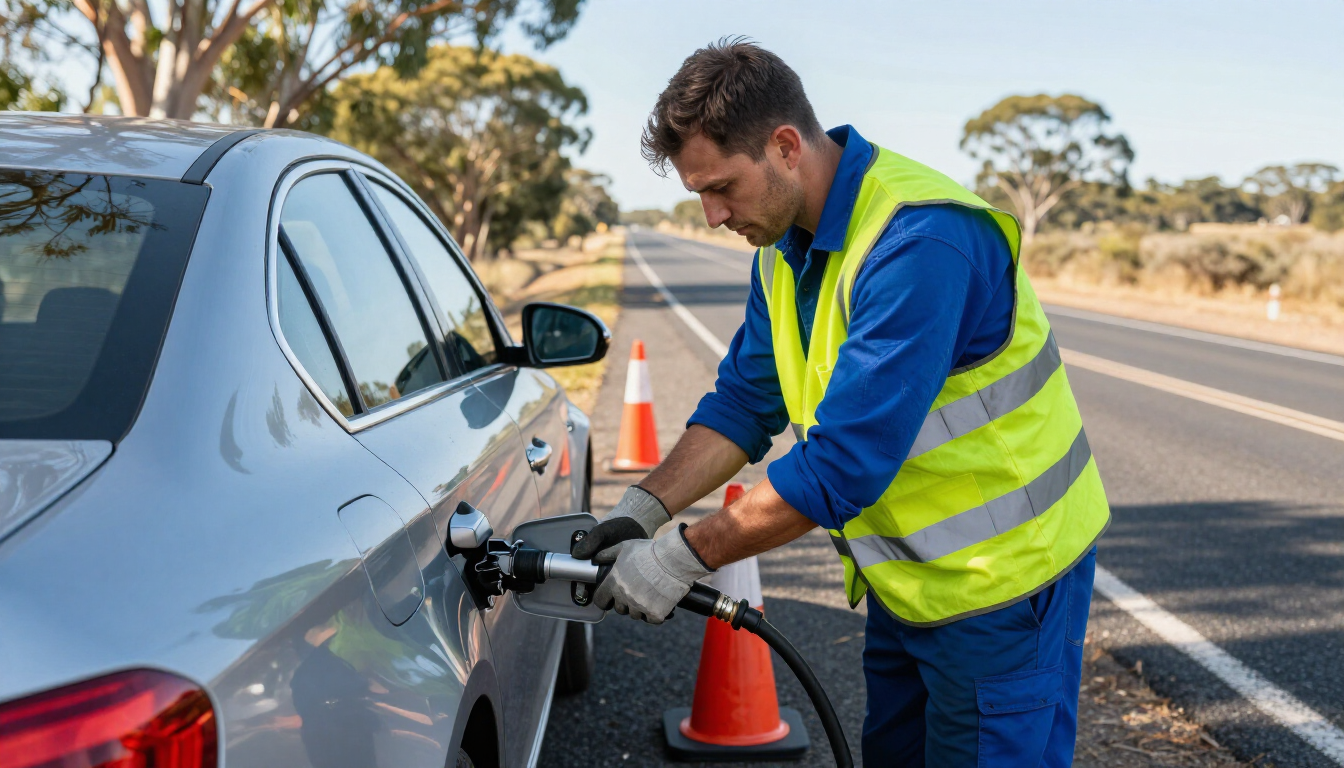
- Advanced Equipment: They use high-speed suction pumps designed specifically for fuel recovery, which is safer than gravity-based methods.
- Complete System Flush: They don't just empty the tank; they ensure the lines and filters are cleared of contaminants.
- No Towing Required: The entire process happens in the parking bay of the petrol station.
Using a specialist like Rapid Fuel Assist means you avoid the secondary costs associated with misfuelling, such as tow truck fees and multi-day car rentals while waiting for a workshop slot. For an understanding of misfuelling and why specialized equipment matters, it's clear that the right tools make the difference between a 30-minute fix and a week-long mechanical nightmare.
What are the hidden costs of dealership misfuelling repairs?
Many drivers' first instinct is to call their car dealership, especially if the vehicle is still under warranty. While this seems like the safest route, it is almost always the most expensive and time-consuming. Dealerships operate under strict manufacturer protocols that are designed to mitigate all possible liability, which leads to "over-repairing."
A typical dealership response to a wrong fuel incident involves:
- Towing the vehicle to their workshop (often $150-$300).
- Replacing the entire fuel system , including the fuel pump, injectors, and common rail (costing $2,000 to $10,000+).
- Extensive labor hours for diagnostic testing and component matching.
Dealerships rarely perform a simple "drain and flush" because they cannot guarantee the long-term integrity of the components to the manufacturer's standard. Consequently, they simply replace everything. Furthermore, misfuelling is considered "user error" and is not covered by new car warranties . You will be paying the full retail price for parts and labor. If you choose this route, be prepared for your car to be off the road for several days or even weeks while parts are ordered.
Can roadside assistance fix a wrong fuel incident?
In Australia, major roadside assistance clubs (like the RACV, NRMA, or RACQ) are the go-to for flat tires and dead batteries. However, when it comes to wrong fuel rescue, their capabilities are surprisingly limited. Most standard roadside assistance patrols do not carry the specialized pumping equipment or fuel disposal tanks required to drain a vehicle safely at the roadside.
If you call a general roadside club, they will typically offer one of two things:
- A tow to a mechanic: They will move your car, but you still have to pay the mechanic to do the work.
- A referral to a specialist: They may have a partnership with a company like Wrong Fuel Rescue or a mobile specialist, but you will still be charged a separate fee for the fuel drain.
Rarely is the cost of the fuel drain included in your annual membership. It is often faster and cheaper to skip the middleman and call a dedicated fuel specialist directly. You can find more details on common questions in our FAQs on wrong fuel .
Why you must avoid DIY fuel drainage
It can be tempting to try and drain the fuel yourself, especially if you have some mechanical knowledge. However, modern vehicles—particularly common-rail diesels—are incredibly sensitive. Attempting a DIY fix is not only dangerous but can lead to catastrophic engine failure.
Here is why DIY is a bad idea:
- Fire Hazard: Petrol and diesel vapors are highly flammable. Specialized equipment is needed to prevent sparks and manage static electricity.
- Toxic Disposal: You cannot simply pour the contaminated fuel down a drain or into a garden. Professionals have EPA-approved waste disposal processes.
- Air Locks: Modern fuel systems are sealed. If you introduce air into the lines, the car may refuse to start even after the correct fuel is added, requiring a professional bleed of the system.
- Electronic Damage: Many modern fuel pumps are located inside the tank and are controlled by the car's ECU. Shoving a garden hose down the filler neck can damage these delicate sensors.
If you are worried about the cost, remember that a professional specialist is a fraction of the cost of a new engine. Investing in a proper prevention strategy for the future is better than risking your safety and your car's engine today.
Understanding the mechanical impact of wrong fuel
To appreciate why a specialist wrong fuel rescue is necessary, one must understand what happens inside the engine. In a diesel engine, the fuel also acts as a lubricant for the high-pressure fuel pump and the injectors. Petrol is a solvent; it strips away this lubrication. When you run a diesel engine on petrol, metal components rub together at high speeds, creating microscopic metal shavings that circulate through the entire system.
Conversely, putting diesel into a petrol car is less destructive but still problematic. Diesel is heavier and does not atomize as easily as petrol. This leads to fouled spark plugs, clogged fuel filters, and potentially a damaged catalytic converter or oxygen sensors. In both cases, the goal of the rescue service is to remove the "wrong" fuel before it can cause these chemical and mechanical imbalances.
Specialists use specific additives after a drain to re-lubricate the system and help "cleanse" any residual traces of the incorrect fuel. This is a level of detail you won't get from a standard tow truck driver or a DIY attempt.
Final verdict: How to save money and time
If you find yourself at a petrol station in Australia with the wrong fuel in your tank, don't panic. Follow this hierarchy of decisions to ensure the best outcome for your wallet and your vehicle:
- Stay Put: Do not start the engine or even put the key in the ignition.
- Check for Local Specialists: Search for regional experts like Rapid Fuel Assist if you are in Melbourne or similar mobile services in other cities. They offer the best balance of price and speed.
- Avoid the Dealership: Unless you have no other choice, avoid the dealership to prevent unnecessary part replacements and massive bills.
- Confirm the Price: Ask for a total fixed price over the phone, including the call-out fee, the drain, and the disposal of the waste fuel.
Key Takeaways for Australian Drivers
- Specialists Beat Dealers: Mobile specialists charge $400-$600, while dealers can charge $2,000+.
- No Towing Needed: Dedicated fuel trucks drain your tank on-site in about 30-40 minutes.
- Time is Critical: Call as soon as you realize the mistake to get the priority in the queue.
- Safety First: Professional disposal of contaminated fuel is required by Australian law; don't dump it yourself.
Misfuelling is a stressful mistake, but it doesn't have to be a financial disaster. By choosing a specialized mobile service, you can be back on the road the same day with a healthy engine and a much smaller bill than the alternatives.